
Mobile Shelter
Rapidly deployable modular shelters for emergency protection against blast pressure, fragment effects and environmental hazards.
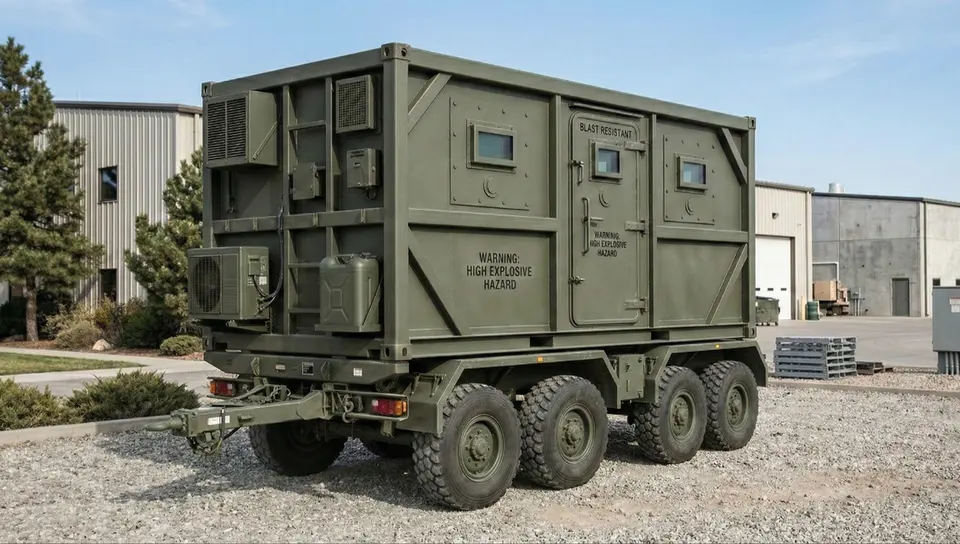
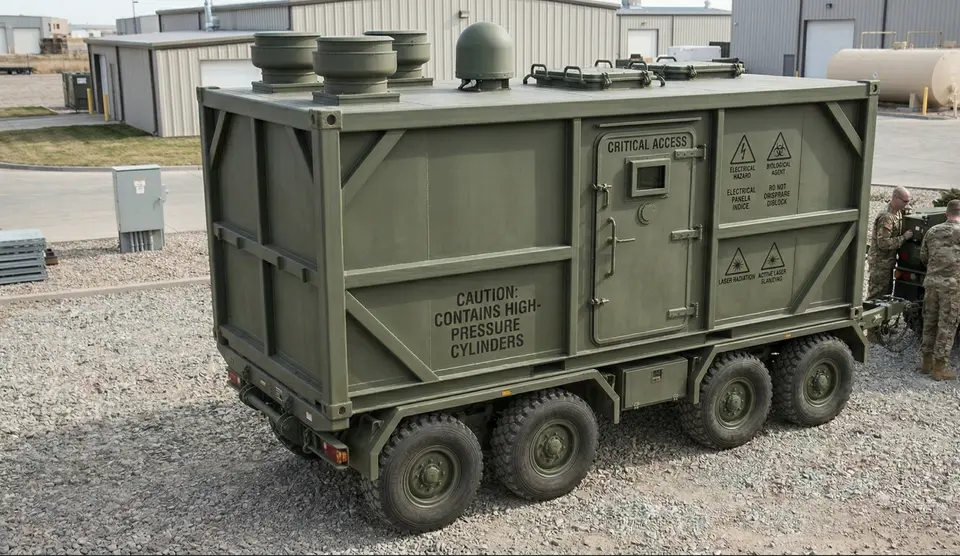
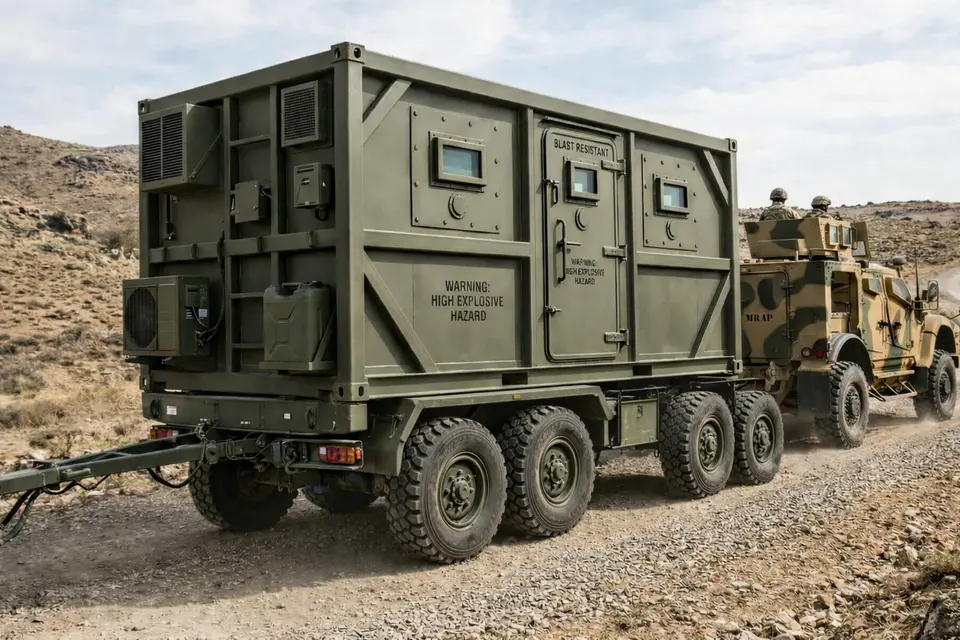
How it works
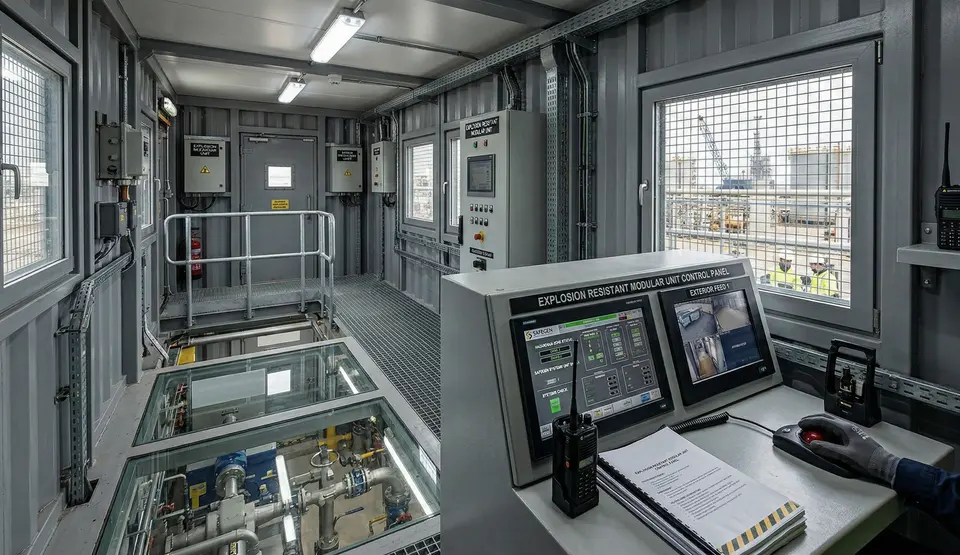
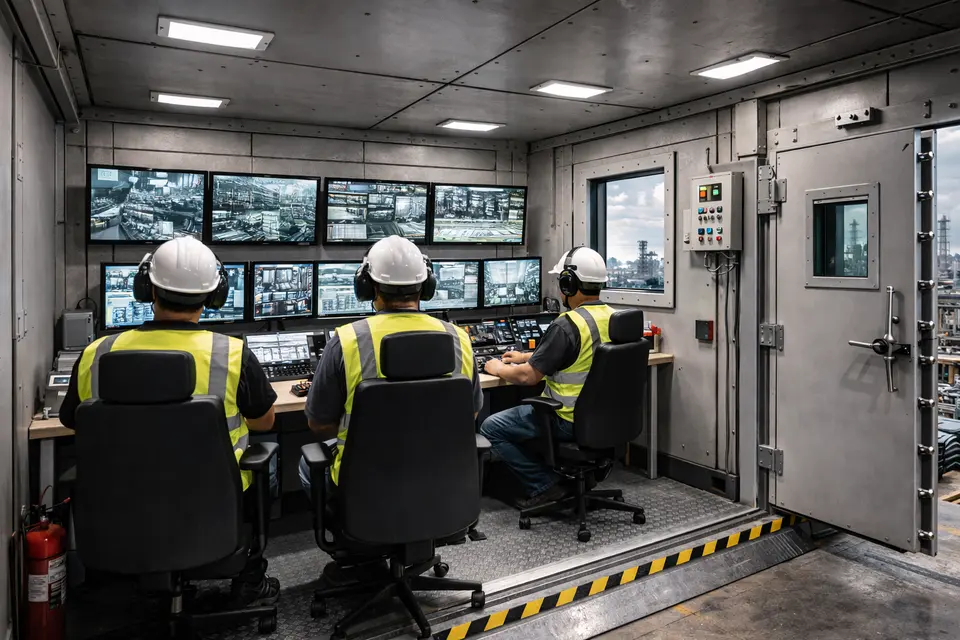
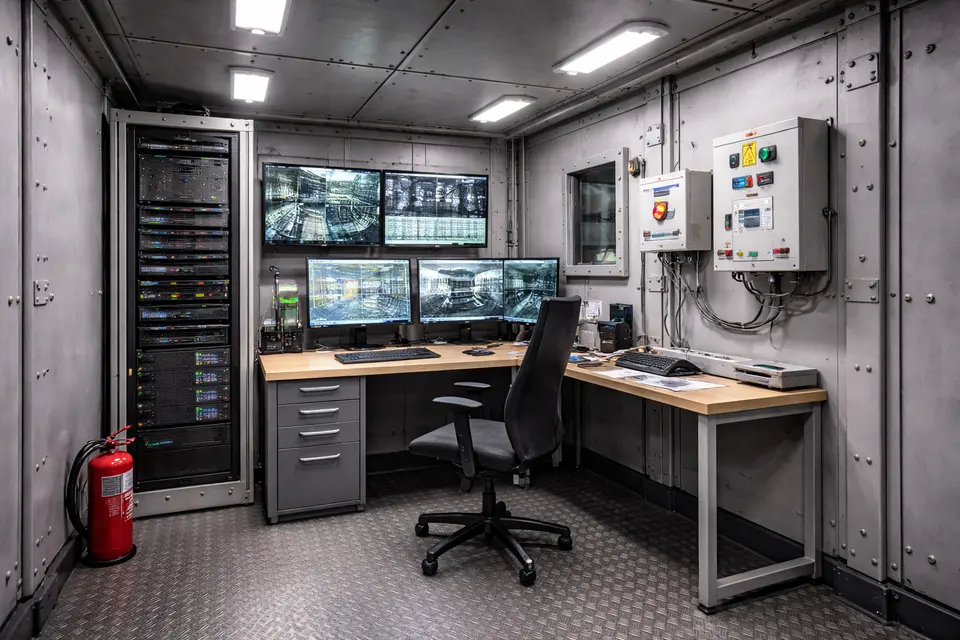
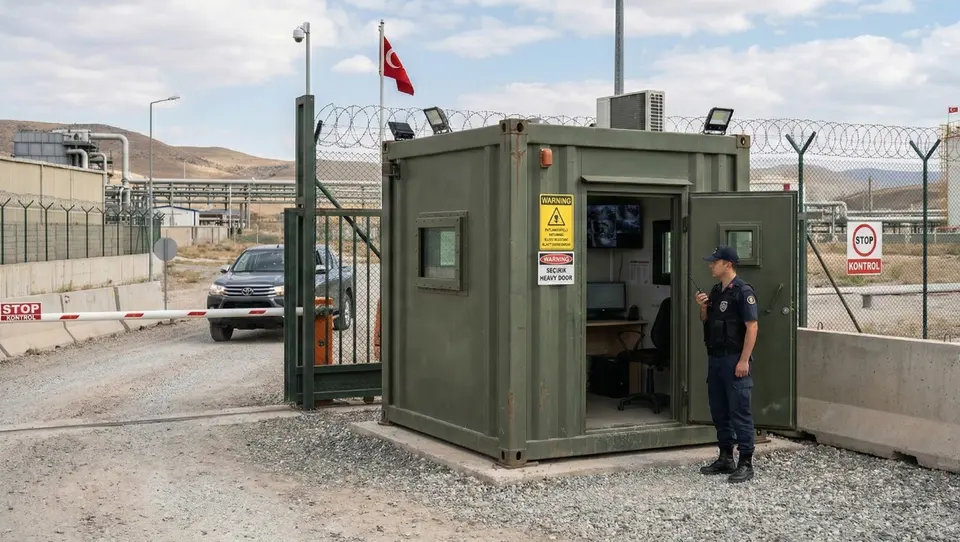
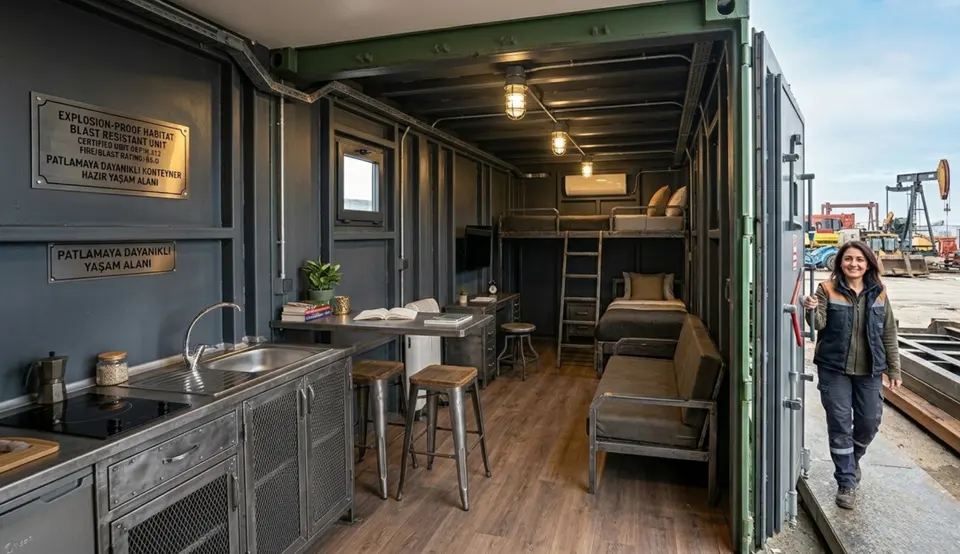
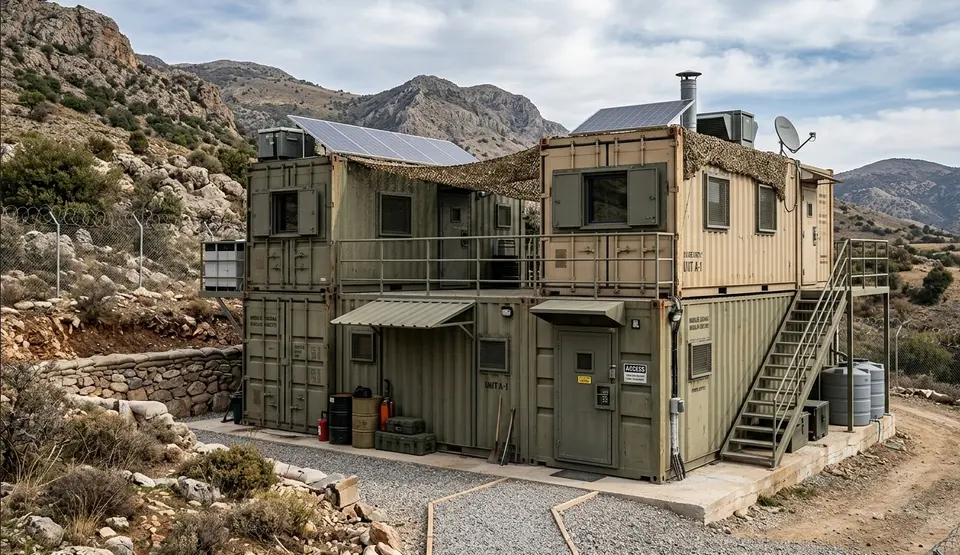
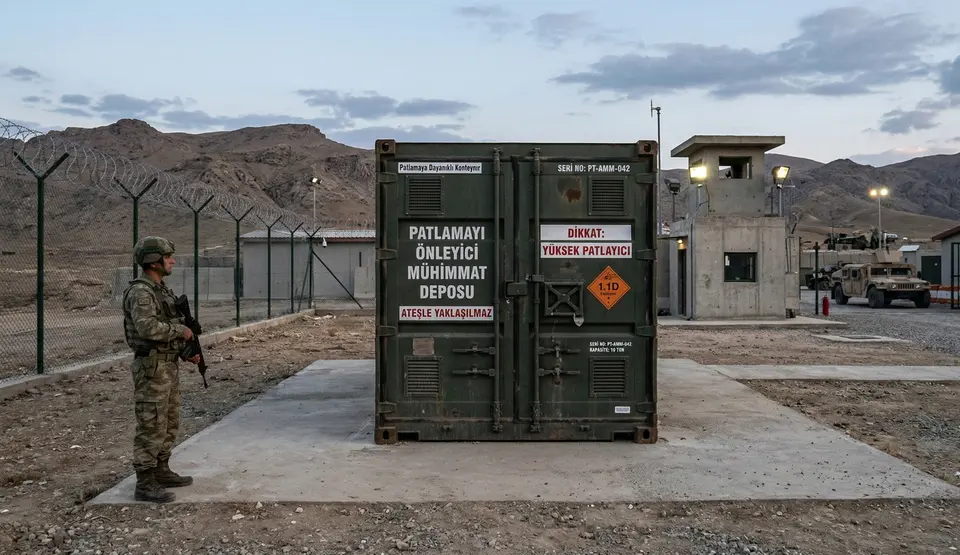
A mobile shelter is a factory-built steel module that can be moved by truck or trailer and set down on a prepared base. It is designed to protect the people inside from blast pressure, fragments and environmental hazards, and can be fitted with items such as NBC filtration, ventilation, power and lighting. Being modular, it can be put into service faster than a built structure.
Typical applications
- Personnel protection at remote or temporary sites
- Protection during hazardous operations at industrial plants
- Emergency and security posts
Key points when specifying
- Protection level and the threats to be covered
- Dimensions and weight, and how the shelter will be transported and positioned
- Interior: number of people, seating or bunks, ventilation and lighting
- Doors and their sealing, and whether gas protection is required
Standards and guidance commonly referenced for this product type
These are general references. Compliance and test reports for a specific product are provided per project.
What does a mobile shelter need on site?
It needs a level, load-bearing base or pads, access for the transport vehicle or crane, and any utility connections if it is fitted with power or ventilation equipment. The engineer should confirm the base requirements and the protection level against the expected threat before delivery.
How is a mobile shelter anchored?
It depends on the design. Some are ballasted or sit on a prepared base, others are anchored to a foundation. The anchoring or ballast is part of the blast design, because the shelter must not slide, tip or lift under the load.
Technical specifications, protection levels and test reports are provided per project. Contact our engineers for details.
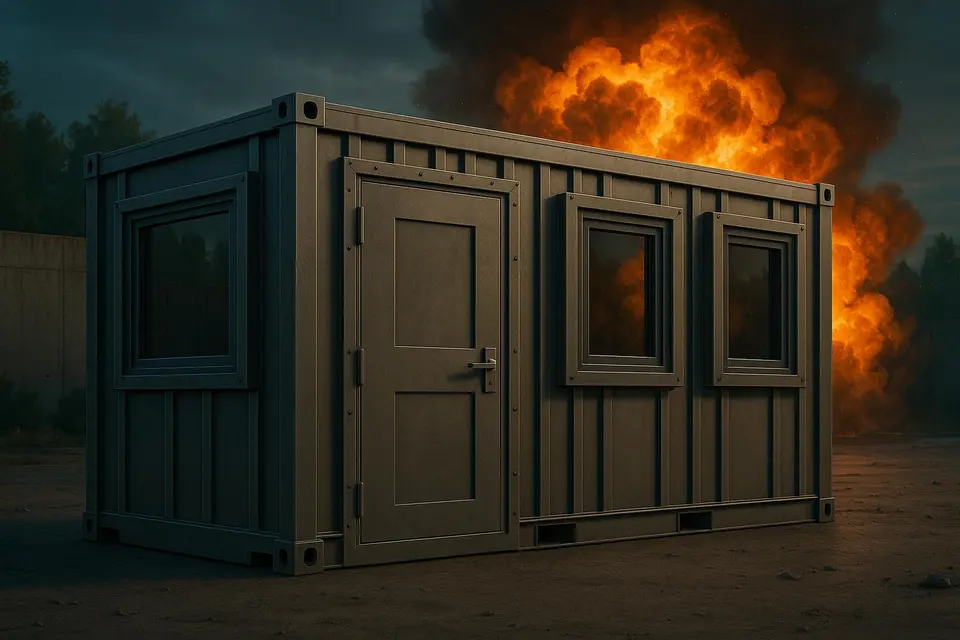
Planning a protected facility?
Tell us about your site, threat scenario and timeline. Our engineers will respond with the right solution.