
Blast & Fire Protection Systems
Explosion Relief Panel
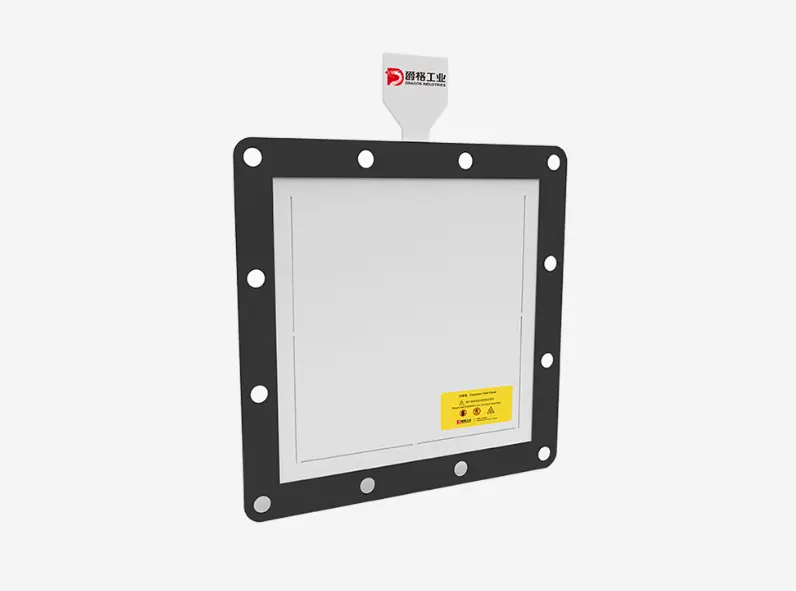
Directs the pressure of an explosion to the outside in a controlled way, protecting equipment and structures from damage.
How it works
An explosion relief panel is a vent that opens at a low set pressure. Fitted in the wall or roof of a vessel, silo, dust collector or building, it bursts open when a deflagration starts, letting pressure and burning gas escape to a safe area before the enclosure is damaged. The vent area depends on the volume, the material and the strength of the enclosure.
Typical applications
- Dust collectors, filters and cyclones
- Silos, mills and dryers
- Buildings and rooms with combustible dust or gas
Key points when specifying
- Volume and shape of the enclosure and its design strength
- The combustible material and its explosion characteristics (for example Kst and Pmax)
- Set (opening) pressure of the panel and the area to be vented
- Safe venting direction and the clear area outside
Standards and guidance commonly referenced for this product type
These are general references. Compliance and test reports for a specific product are provided per project.
How is an explosion vent sized?
The vent area is calculated with recognised methods, such as EN 14491 or NFPA 68. The inputs are the enclosure volume, the explosion characteristics of the material (such as Kst and maximum pressure), the vent opening pressure and the pressure the enclosure can safely withstand. Larger volumes and more violent materials need more vent area.
Can a relief panel be used where the vented gas must not escape?
Not on its own. A normal vent releases flame and pressure to the outside. If that is not acceptable, for example indoors, flameless venting, suppression or isolation are used instead.
Technical specifications, protection levels and test reports are provided per project. Contact our engineers for details.
Planning a protected facility?
Tell us about your site, threat scenario and timeline. Our engineers will respond with the right solution.