
Blast & Fire Protection Systems
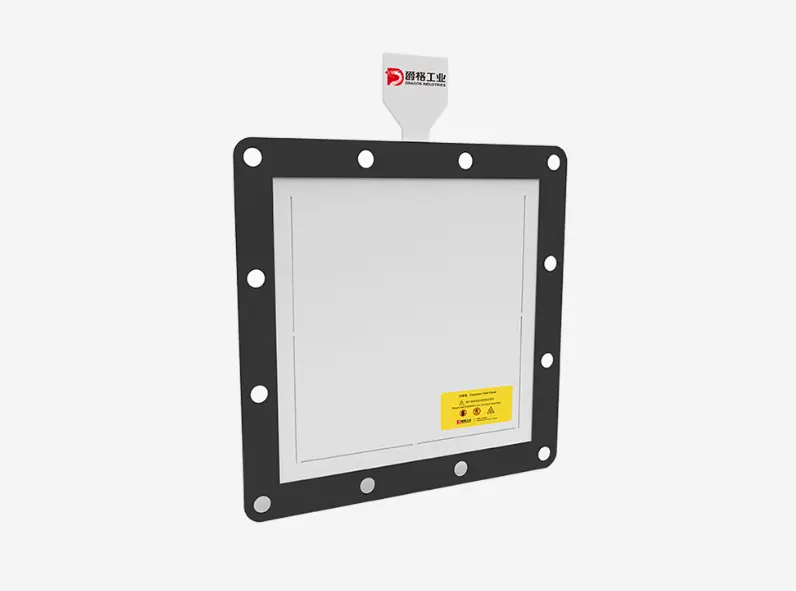
Flat Isolation Valve
Separate sections of a system during an explosion or fire so that the risk does not spread.
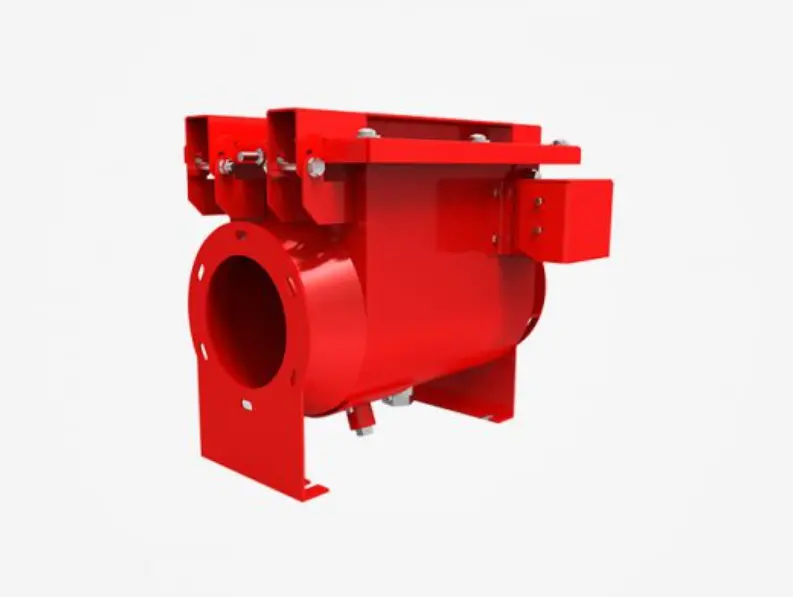
How it works
A flat isolation valve uses a flat plate or slide to shut off a duct or pipe. In explosion and fire protection it separates sections of a system so that flame and pressure cannot travel from one part to another. It can be closed by an actuator on a signal from a detector or the control system.
Typical applications
- Sectioning of dust and gas systems
- Isolation of equipment during an incident
- Process lines with fast-acting protection
Key points when specifying
- Duct dimensions and operating conditions
- Material (dust or gas) and its explosion characteristics
- Closing time and the required isolation performance
- Fitting position and direction of flow
Standards and guidance commonly referenced for this product type
These are general references. Compliance and test reports for a specific product are provided per project.
How does a flat isolation valve close in an emergency?
A detector senses the pressure rise or flame and signals the control unit, which fires the actuator and drives the plate across the duct within a fraction of a second. The system must be tested as a whole, including detection time and closing time.
Why isolate between pieces of equipment?
An explosion in one vessel can travel through connecting ducts and trigger a secondary explosion in the next one, often more violent. Isolation stops this propagation so the damage stays in the first vessel.
Technical specifications, protection levels and test reports are provided per project. Contact our engineers for details.
Planning a protected facility?
Tell us about your site, threat scenario and timeline. Our engineers will respond with the right solution.