
Shelter Doors
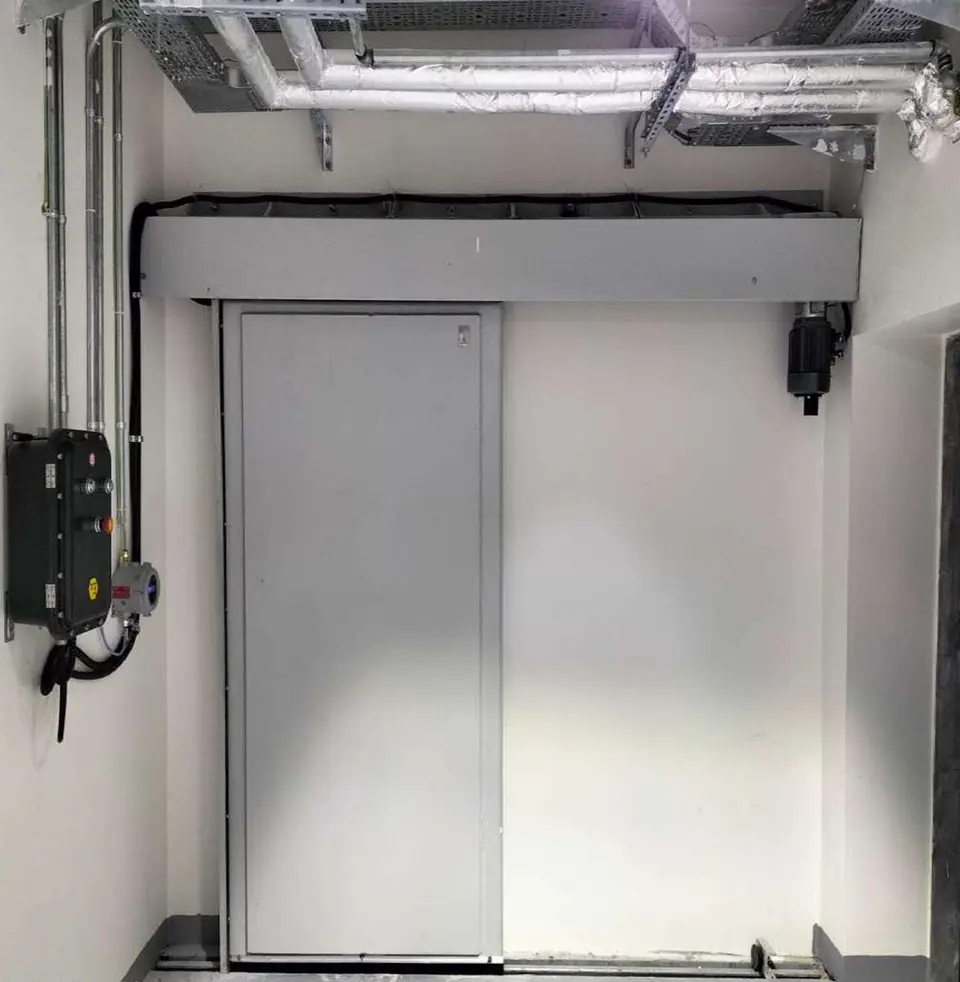
Shelter doors are among the most critical components of blast-resistant structures. However strong the walls, roof and floor are, a weak door puts the safety of the whole structure at risk, so shelter doors are verified by engineering calculations and tests.
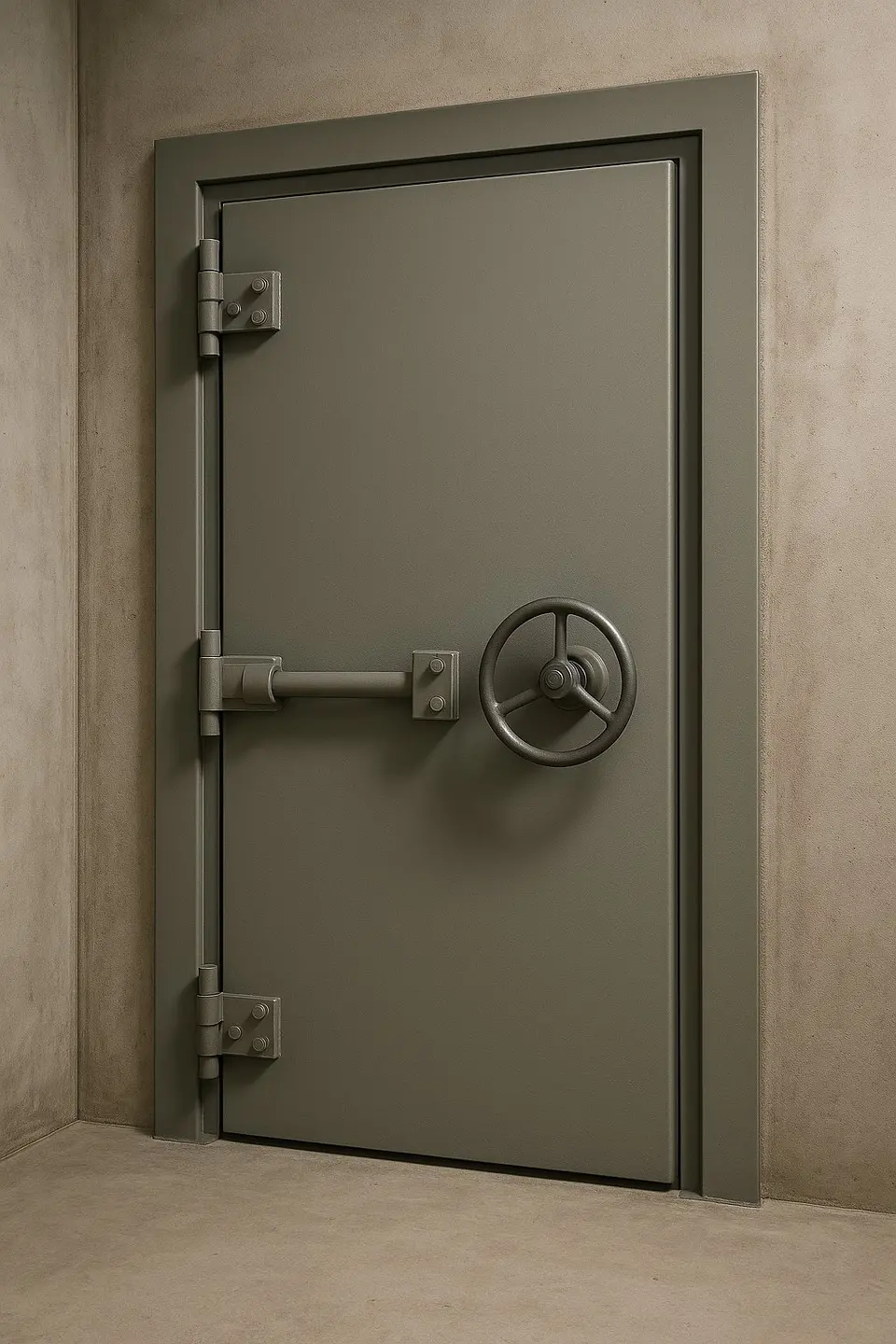
How it works
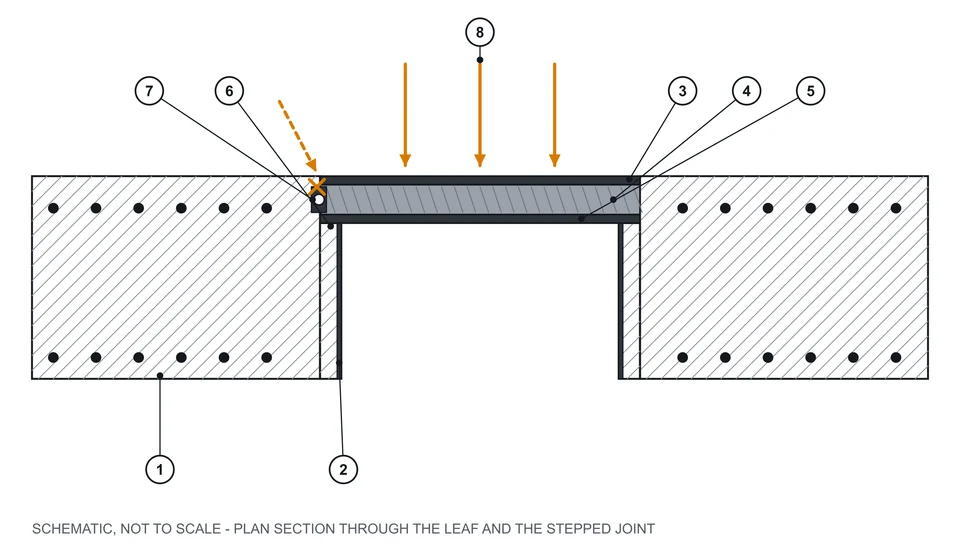
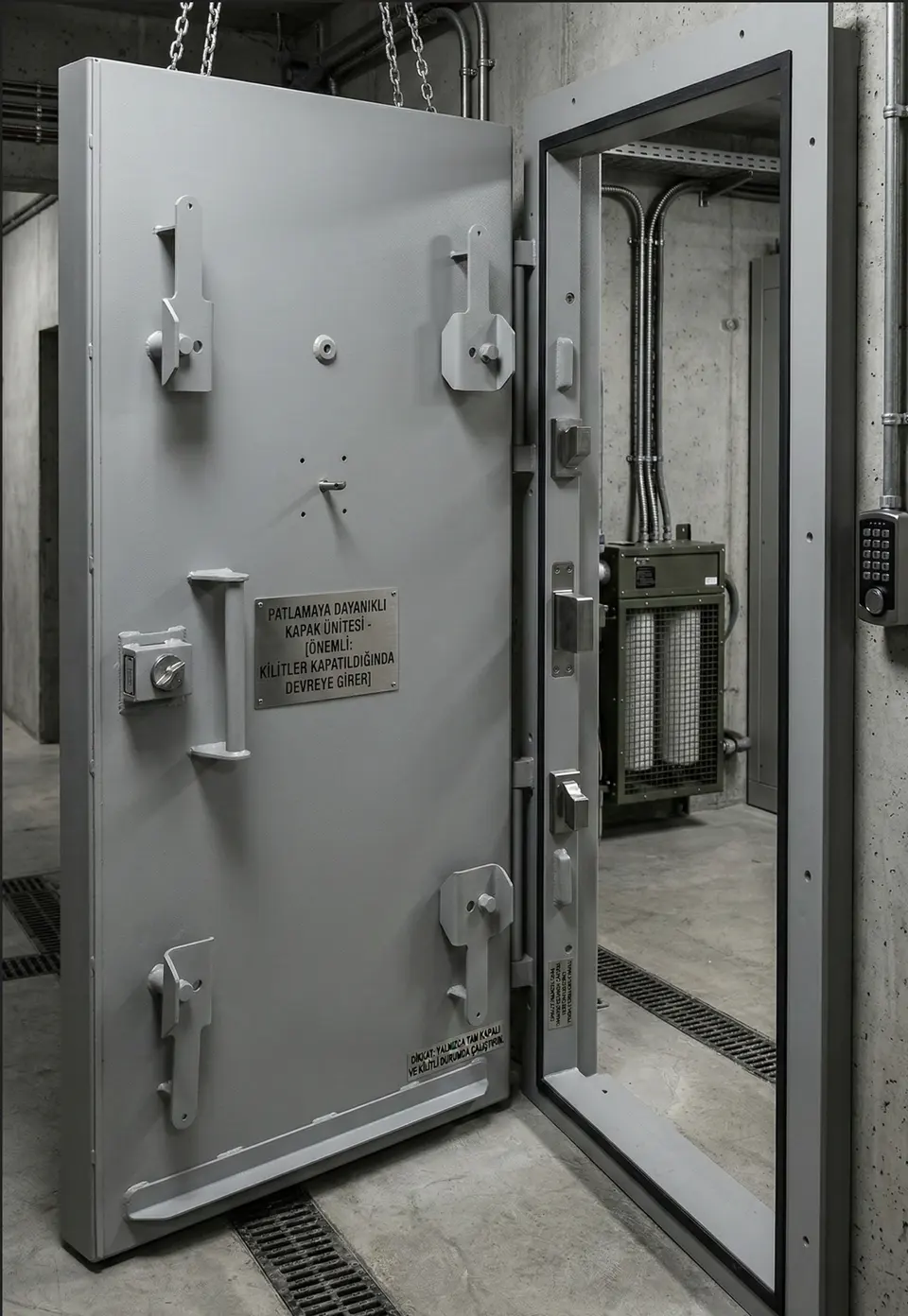
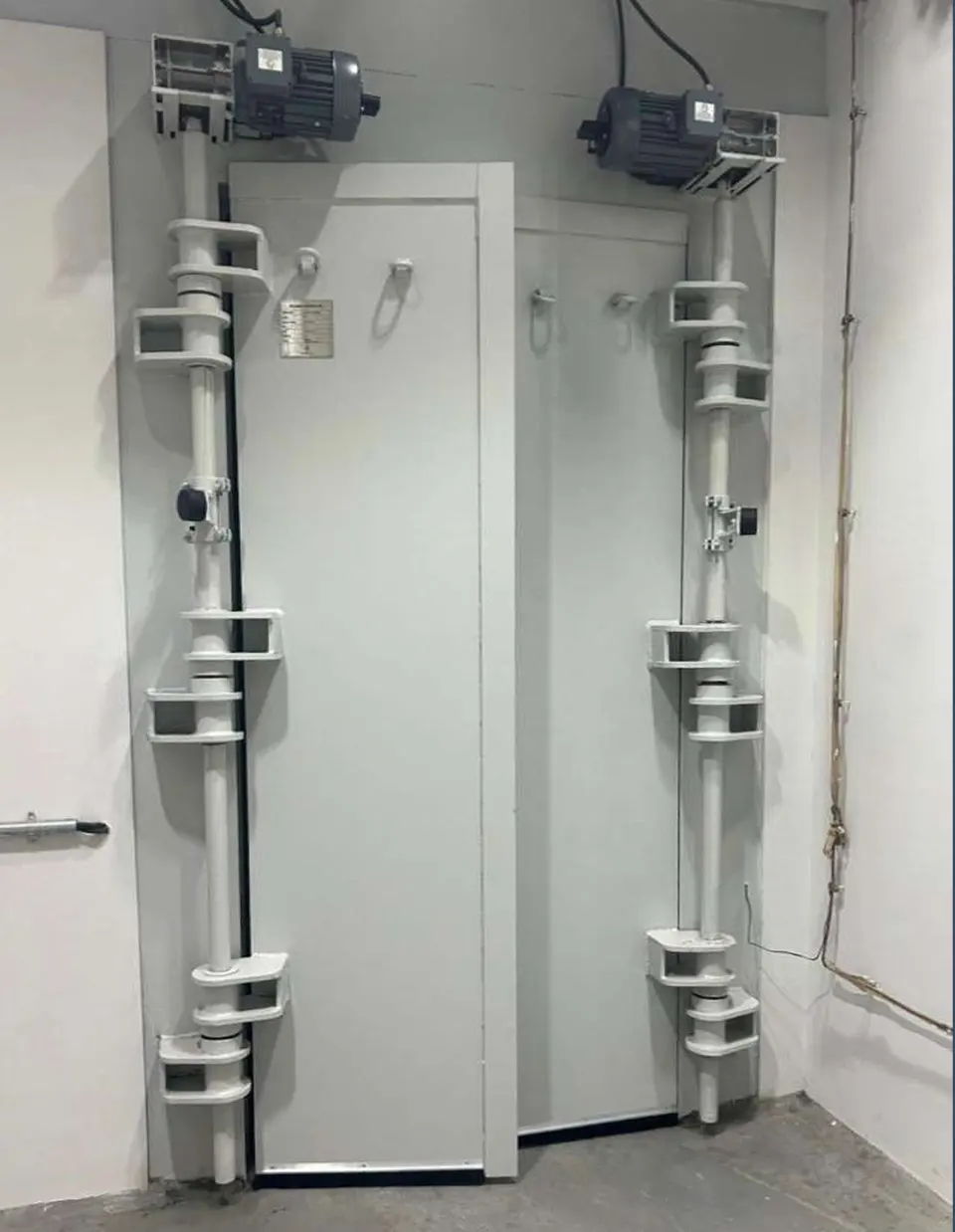
A shelter door closes the opening of a protected space so that blast pressure, fragments and, where required, gas and fire cannot get in. The leaf, frame, hinges, locking and anchors are designed as one system for the blast load, and compression locking with seals and a threshold makes the door gas-tight when the shelter is sealed. People normally enter and leave through an airlock, so the protected space is never open directly to the outside.
Typical applications
- Blast-resistant shelters and protected rooms
- Control rooms and command centers
- Ammunition and storage facilities
- Industrial plants with an explosion risk
How blast resistance is calculated
The strength of a shelter or blast door is generally designed for three main effects:
- Blast pressure load: the pressure wave applies sudden, high forces to the door, so peak pressure and impulse are used in the design
- Fragment impact: fragments thrown at high speed hit the door, so the impact resistance, thickness and surface coating of the material are critical
- Fire and heat: the door must keep its integrity in a fire that can follow a blast, so fire-resistant steel alloys and special insulation are used
ARSDEF’s design approach
- Numerical simulation (finite element analysis): doors are tested in a virtual environment against the blast scenarios to choose the optimum section and material
- Material selection: high-strength steels, special hinge systems and sealing gaskets
- Testing and verification: after the design stage, products are verified by tests to the applicable standards where the project requires it
- Customised design: blast loads differ for each project, so doors are designed and manufactured per project
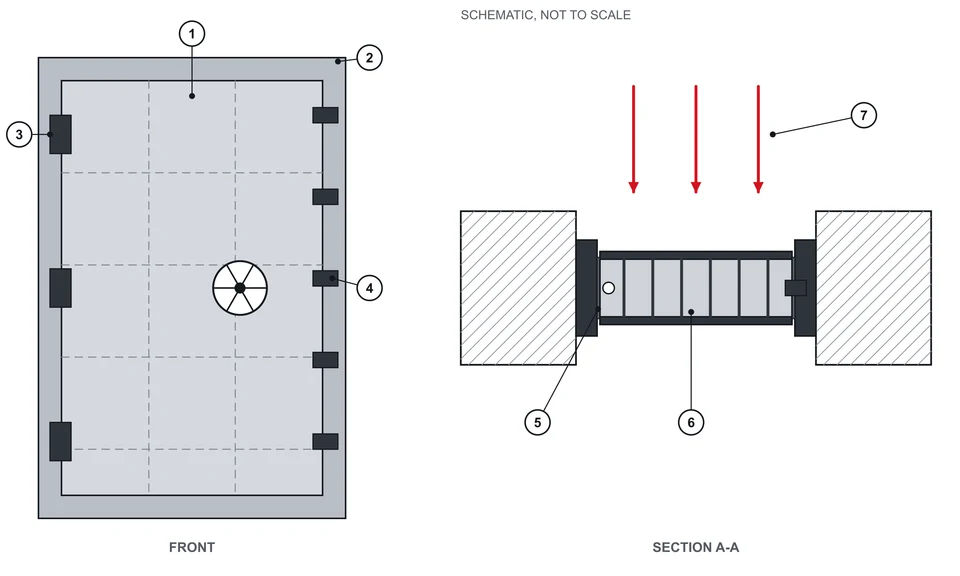
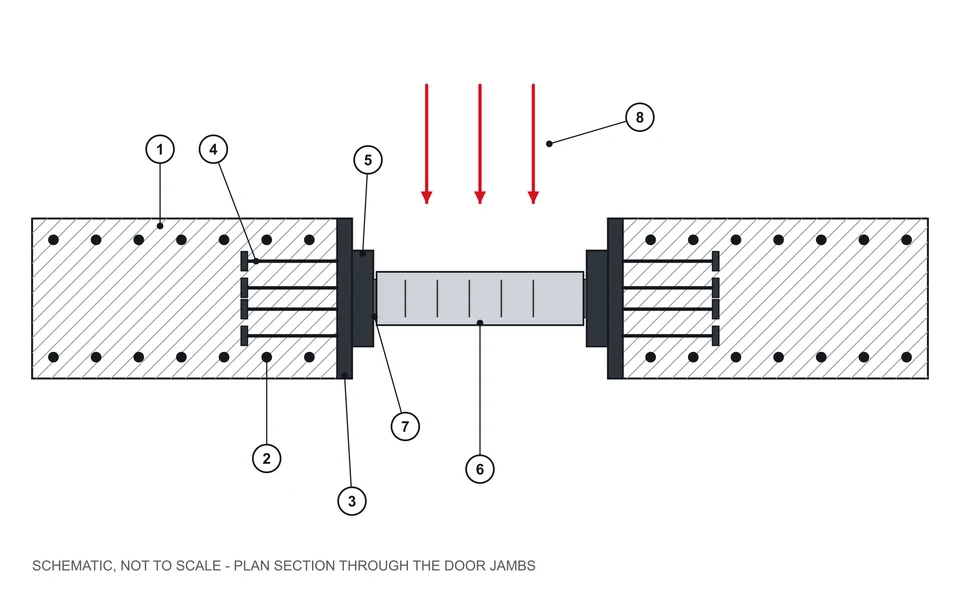
Schematic drawing: components
- Door leaf
- Frame
- Hinges
- Locking bolts
- Seal
- Stiffener ribs
- Blast load
Key points when specifying
- Design blast load and its direction relative to the door
- Gas-tightness or NBC requirement, and whether an airlock is used
- Opening from the inside in an emergency, and the locking method
- Frame, threshold and anchoring to the shelter wall
Standards and guidance commonly referenced for this product type
These are general references. Compliance and test reports for a specific product are provided per project.
What is the difference between a shelter door and an ordinary blast door?
A shelter door usually has to meet more than one requirement at once: blast, often gas tightness, and sometimes ballistic or fire resistance, plus a safe way to open it from inside. It is therefore designed with compression locking and seals, and is often used together with an airlock.
Does a shelter door need an airlock?
If the shelter must be gas-tight or NBC protected, yes: an airlock lets people pass without opening the sealed space directly to the outside. For blast-only protection a single door may be enough.
Technical specifications, protection levels and test reports are provided per project. Contact our engineers for details.
Planning a protected facility?
Tell us about your site, threat scenario and timeline. Our engineers will respond with the right solution.